
ERP Usage: Should Efficiency or Control Be the Priority?
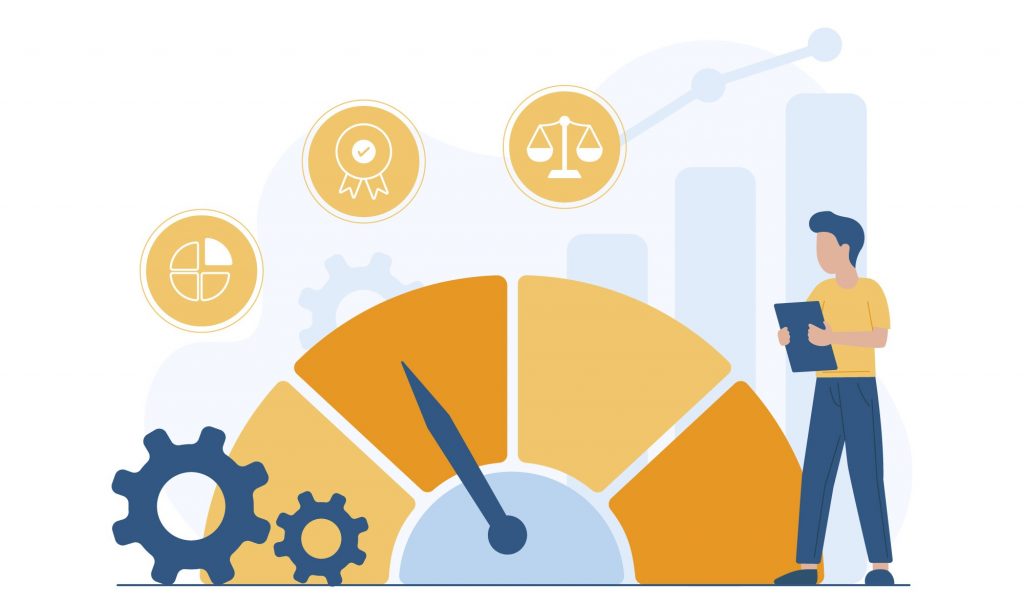
ERP systems are implemented to bring speed, structure, and visibility to business operations. In practice, however, many companies position these systems either purely as efficiency tools or strictly as control mechanisms. True success lies in establishing the right balance between these two approaches.
What Happens When ERP Is Used with a Focus on Efficiency?
An efficiency-oriented ERP approach aims to accelerate processes and reduce operational workload. Automated data entry, standardized workflows, and the elimination of repetitive tasks allow employees to use their time more effectively. This creates noticeable relief in daily operations. However, when speed becomes the sole priority, process accuracy and oversight may be overlooked, creating hidden risks over time.
Advantages and Risks of a Control-First Approach
A control-driven system structure ensures that processes are closely monitored through approval workflows, authorization rules, and detailed reporting. This provides management with a strong sense of security, especially in growing organizations. However, excessive control can slow down operations and make the system feel restrictive for users, limiting the efficiency benefits system is designed to deliver.
Why Do Efficiency and Control Often Seem Opposed?
Many organizations treat efficiency and control as mutually exclusive because their processes are not clearly defined. Ambiguous workflows are often compensated for by rigid ERP rules, resulting in systems that are either too loose or overly restrictive. When designed correctly, efficiency and control support each other rather than compete.
ERP Expectations Without Clear Process Definitions
To maximize value from this systems, processes must be clearly defined first. Without knowing who is responsible for each step and where control points should apply, ERP implementations cannot deliver sustainable results. Organizations lacking process clarity tend to use this system either as a basic record-keeping tool or as a strict monitoring system.
How Can the Right Balance Be Achieved?
The ideal ERP setup combines efficiency and control. Routine, low-risk tasks can be automated for speed, while critical steps remain subject to structured oversight. Approval and authorization mechanisms should guide processes rather than obstruct them. This approach improves user experience while maintaining operational reliability.

Management Perspective Is the Key Factor
How ERP systems are perceived largely depends on management mindset. When yhhis system is positioned solely as a control tool, employees view it as a monitoring mechanism. When it is framed as a process improvement and decision-support system, adoption across the organization increases naturally.
ERP Usage Maturity Levels
Organizations evolve through different stages of this system maturity. Early phases may require stronger control, while efficiency gains become more prominent as processes stabilize. Managing this transition consciously increases the long-term value derived from this systems.
Conclusion: The Priority Is Balance
The question of efficiency versus control in ERP usage has no single correct answer. What matters is aligning ERP usage with business processes. When supported by clearly defined workflows and structured authorization, this systems deliver both efficiency and control, becoming a powerful management tool for sustainable growth.
For more detailed information, you can check out our article “ERP Preparation: Where Do Businesses Go Wrong?“.
