
Data Driven Decision Making Culture: Building Smarter Businesses
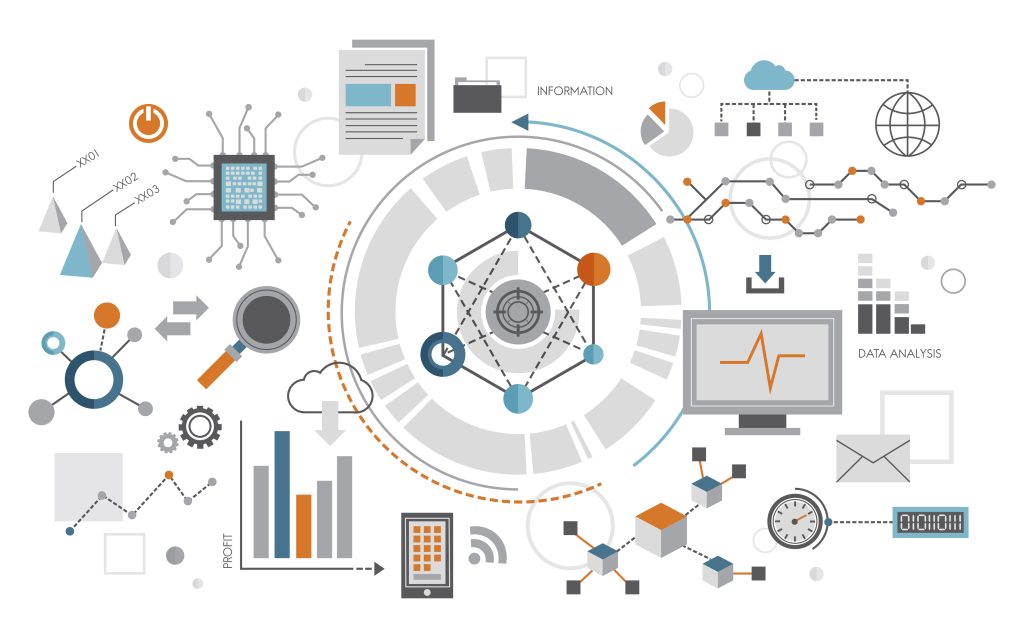
Data is the foundation of modern business success. Organizations that use reliable insights instead of intuition make more accurate, faster, and strategic decisions. Building a culture that values data means creating an environment where every choice is supported by measurable understanding and clear outcomes.
Why Data Based Decisions Matter
Data-based decisions are more than a management trend — they define how successful companies operate today. When leaders rely on verified insights rather than guesswork, they reduce risks, improve productivity, and gain a strong competitive edge. From forecasting demand to optimizing operations, data helps businesses act with confidence.
Core Elements of a Data-Driven Culture
Creating a strong data culture requires more than analytics tools — it’s about people and mindset.
Awareness
Infrastructure
Transparency
When these principles align, organizations naturally evolve into data-driven environments where informed choices guide every process.
Turning Data into Insight
Collecting information is only the first step. The true value of data emerges when it’s transformed into meaningful insights. With advanced analytics and visualization tools, businesses can identify trends, predict outcomes, and adapt strategies before issues arise. This shift from reactive to proactive decision-making creates lasting efficiency.
Spreading the Culture Company-Wide
A data-focused mindset must reach all departments. Training sessions, interactive dashboards, and open communication encourage employees to base their work on evidence. Sharing success stories where data-driven actions led to real improvements reinforces motivation and trust in the process.

Leadership as the Catalyst
Executives play a critical role in shaping a data-first culture. When they make decisions backed by analysis, they set a visible example for others. Leaders should promote curiosity and experimentation, ensuring data becomes a trusted partner in innovation rather than just a reporting tool.
Trust, Ethics, and Security
A true data culture cannot thrive without ethical use and strong security. Protecting sensitive information and maintaining transparency builds trust across the organization. Clear policies about data access and usage are essential to ensure accountability and long-term sustainability.
Benefits of Data-Driven Decision-Making
Speed: Decisions are made faster and with higher precision.
Efficiency: Resources are used optimally.
Competitiveness: Businesses stay agile in dynamic markets.
Accountability: Actions and results are measurable.
Conclusion
Data-driven decision-making is not just a technological upgrade — it’s a cultural transformation. Companies that integrate analytical thinking into their daily operations gain agility, innovation, and a deeper understanding of their business environment. In the future, those who master the language of data will lead with clarity and confidence.
Discover the power of data by checking out our article Data Analysis: Journey to Knowledge
