
Inventory Management: Real-Time Visibility in Stock Control
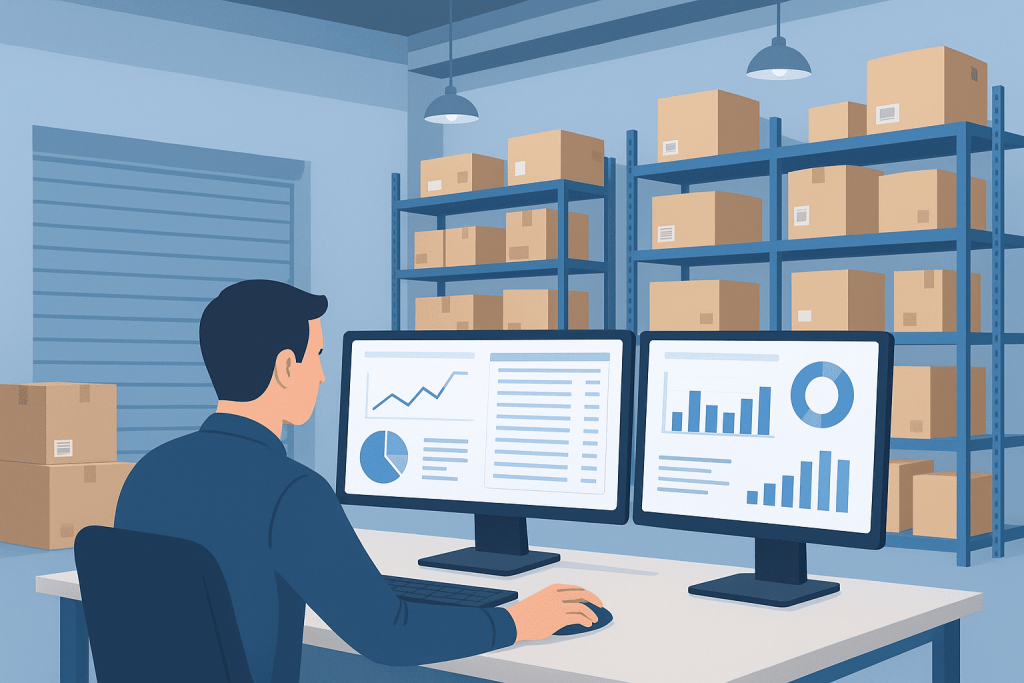
Inventory is not just a collection of items in storage; it represents the financial and operational health of a business. Efficient inventory management ensures that every product, order, and shipment contributes to overall productivity. In today’s fast-paced digital world, real-time visibility in stock control has become essential for maintaining competitiveness and customer satisfaction.
Why Inventory Management Matters
Effective inventory management helps businesses maintain balance—avoiding both overstocking and stockouts. Too much inventory ties up capital, while too little risks losing customers. By keeping the right products available at the right time, companies can reduce costs, improve delivery performance, and increase overall efficiency.
What Is Real-Time Visibility?
Real-time visibility means being able to monitor stock levels, locations, and movements as they happen. With instant access to inventory data, businesses can respond to changes immediately, minimize disruptions, and make faster, more accurate decisions.
Key Benefits of Real-Time Monitoring
Faster Decision-Making: Managers rely on live data rather than outdated reports.
Cost Reduction: Prevents excess stock and reduces storage costs.
Customer Satisfaction: Ensures timely order fulfillment and trust.
Error Minimization: Eliminates manual data entry mistakes.
Better Resource Allocation: Enhances coordination between departments.
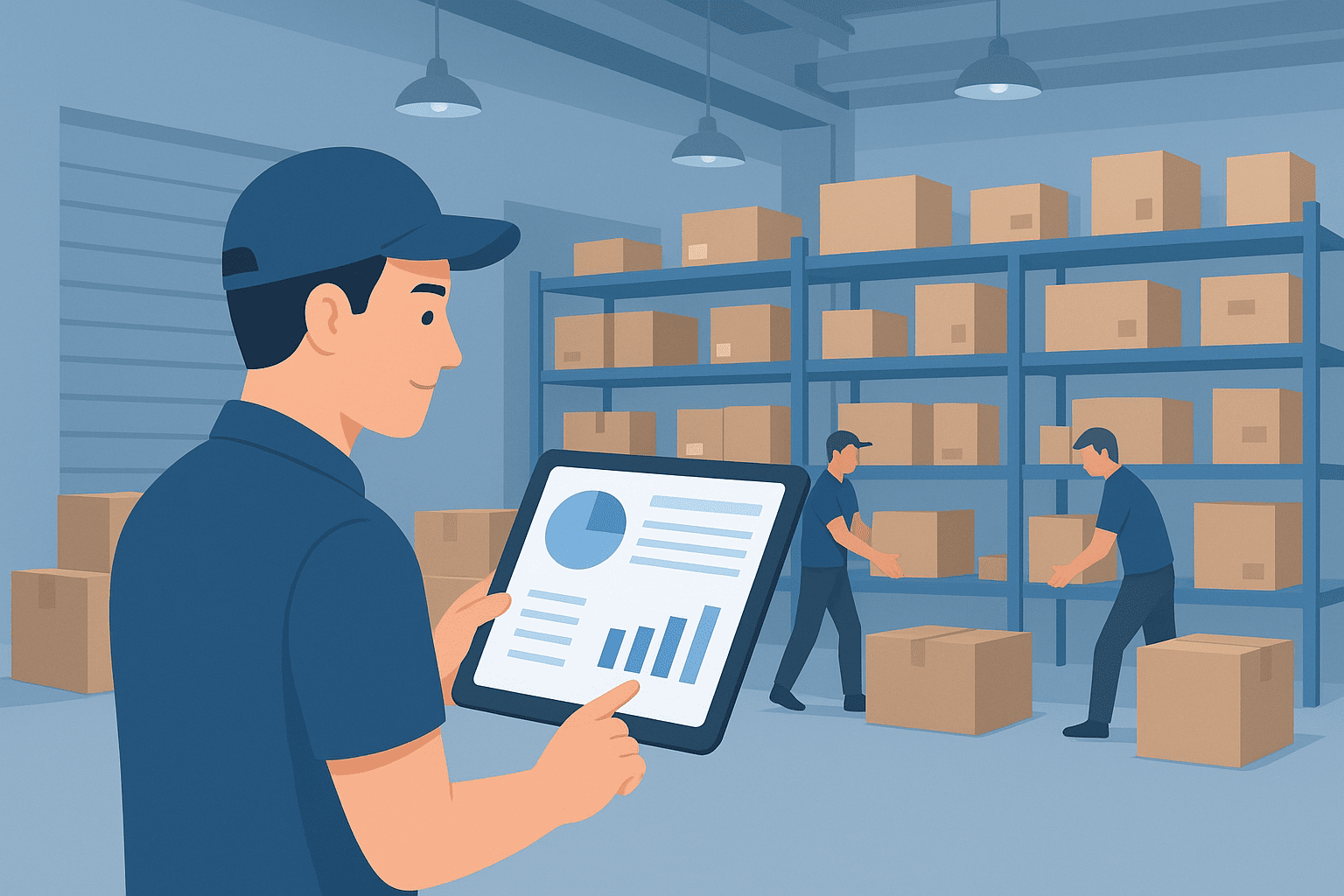
The Role of Technology in Modern Inventory Management
Traditional inventory tracking methods often involve manual work and spreadsheets, which are prone to human error. Modern digital systems, using barcodes, sensors, and integrated ERP solutions, offer a real-time overview of stock levels, helping businesses stay organized and informed.
Data-Driven Inventory Planning
Today, inventory management is as much about data as it is about products. Businesses can analyze historical sales data, supplier performance, and seasonal trends to make accurate forecasts. Predictive analytics enable better planning, reduce waste, and optimize supply chains.
Integrating Inventory Management with the Supply Chain
Stock control cannot be isolated from the supply chain. Real-time data integration provides visibility across suppliers, warehouses, and customers, improving transparency and reducing risks. This integration also strengthens trust among business partners.
The Future: Smart Systems and Automation
AI and IoT are transforming inventory management. Smart sensors automatically track inventory levels, and automated systems reorder products when stocks run low. These technologies increase efficiency, reduce errors, and help companies stay agile in dynamic markets.
Conclusion
Inventory management is a strategic asset, not just an operational necessity. Real-time visibility empowers businesses to make smarter, faster, and more reliable decisions. In the future, success will belong to companies that manage not only their products—but also their information—with precision and insight.
Take a look at our article, Custom Software Solutions: Shape Your Business, and transform your business.
